Delivering at a Teaching Hospital: Understanding the Multiple Providers—and Multiple Bills—Behind Your Childbirth Experience
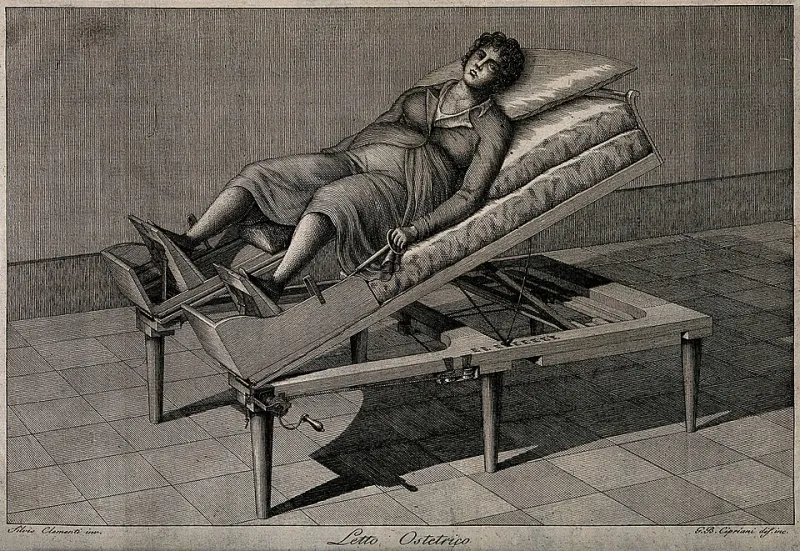
Photo: Giovanni Battista Cipriani, CC BY 4.0, via Wikimedia Commons
For expectant parents choosing where to deliver, a teaching hospital often represents an appealing option. Academic medical centers and their affiliated training hospitals typically offer specialized maternal-fetal medicine units, neonatal intensive care capabilities, and around-the-clock attending physician coverage that community hospitals may not match. The clinical case for delivering at a teaching institution can be compelling, particularly for pregnancies classified as high-risk.
What prospective patients are less often told—and what the informed consent process does not always make adequately clear—is that the billing structure at a teaching hospital can look dramatically different from what most patients expect. A single delivery may generate separate bills from multiple physicians, some of whom the patient may never have met before labor began and may not remember afterward. Understanding that structure before you arrive in the labor and delivery unit is not merely a financial exercise. It is an exercise in informed patient advocacy.
How Medical Education Shapes the Care Team
Teaching hospitals exist to train physicians. Medical students, interns, residents, and fellows are embedded throughout the clinical environment, gaining supervised experience under the guidance of attending physicians—the fully licensed, board-certified specialists who bear ultimate clinical and legal responsibility for patient care.
In obstetrics, this training structure means that your care during labor and delivery may involve several layers of practitioners. A first-year resident may conduct your initial cervical exam. A third-year resident may be present for the delivery itself. An attending obstetrician supervises the resident's work, may step in at critical moments, and is responsible for the overall management of your care. In complex deliveries, an anesthesiologist, a neonatologist, and additional residents or fellows from those specialties may also become involved.
This layered model of care is not inherently problematic—in fact, the close supervision structure of academic medicine often produces excellent outcomes. What it does produce, almost inevitably, is a billing environment that reflects its complexity.
Who Bills Separately, and Why
In most community hospital settings, a patient who delivers with her obstetrician receives a global obstetric fee—a single bundled charge from her physician that covers prenatal visits, the delivery itself, and postpartum follow-up. At a teaching hospital, that clean structure is frequently disrupted by the involvement of multiple independently billing practitioners.
Attending physicians at teaching hospitals often bill for their supervisory services separately from any global obstetric arrangement. Residents, while they do not independently bill for their services, generate billing activity through the attending who supervises them—and the documentation requirements for those encounters can affect how services are coded and what charges result.
Anesthesia is almost universally billed separately, and anesthesiologists at teaching hospitals often work with certified registered nurse anesthetists (CRNAs) or anesthesiology residents whose involvement may affect the billing structure of your epidural or other pain management services.
If your delivery involves a complication—a prolonged labor, an emergency cesarean section, or a newborn requiring neonatal intensive care—additional specialists will likely be called. Each of those specialists, and each of the resident physicians working under them, represents a potential separate billing entity. Whether each of those providers is in-network with your insurance plan is a question that demands an answer before, not after, delivery.
The Consent and Disclosure Gap
Federal and state regulations require that patients receive informed consent before medical procedures. In practice, however, the consent process at teaching hospitals does not always clearly communicate the financial implications of trainee involvement in care.
Patients may sign a general consent form acknowledging that the facility is a teaching institution and that residents may be involved in their care. What that form typically does not specify is which residents, at what level of training, for which procedures, or how their involvement will affect the bills generated. The gap between what patients consent to clinically and what they are prepared for financially can be substantial.
Some academic medical centers have made meaningful efforts to improve pre-admission financial counseling for obstetric patients. Others have not. The variation is significant, and patients cannot assume that the hospital's financial counseling team will proactively surface every potential charge.
Before You Arrive: A Pre-Delivery Financial Checklist
The following steps are designed to help expectant patients at teaching hospitals understand their anticipated costs and protect themselves from unexpected bills.
Request a pre-delivery financial counseling appointment. Most teaching hospitals have financial counselors available to obstetric patients. Request a meeting specifically focused on billing, not just on your insurance coverage. Ask for a written estimate of anticipated charges.
Ask explicitly who will bill you separately. Request a list of every provider type likely to be involved in your delivery—attending obstetrician, residents, anesthesiologist, neonatologist—and ask for confirmation of their network status with your specific insurance plan. Do not accept a general assurance that "the hospital" is in-network. Individual physicians bill separately and may have different network status.
Verify anesthesia coverage independently. Anesthesia billing is one of the most common sources of surprise charges in obstetric care. Contact your insurer directly to confirm that the anesthesiology group covering the hospital's labor and delivery unit is in-network under your plan.
Understand your insurer's global obstetric billing policy. Ask your insurer whether they expect a global obstetric fee or whether they process individual delivery charges separately. This affects how your benefits apply and what your out-of-pocket exposure will be.
Document who provided your care. During and after your hospital stay, record the names and roles of every provider who was involved in your care. This record will be invaluable if you receive unexpected bills and need to verify whether the provider was in-network or whether their services were appropriately billed.
Review every EOB and bill promptly. After delivery, request an itemized bill from the hospital and review your Explanation of Benefits for each claim. Discrepancies between what was billed and what your insurer paid should be investigated before you make any payments.
If You Receive an Unexpected Bill
If a bill arrives from a provider you did not expect, do not ignore it and do not pay it immediately. Contact the billing entity to request an itemized explanation of the charges and to confirm the provider's network status with your insurer. If the provider was out-of-network and you were not meaningfully informed of that in advance, you may have grounds to dispute the charge under federal or state surprise billing protections.
The No Surprises Act provides meaningful protections in certain non-emergency situations at in-network facilities. Whether those protections apply to your specific situation will depend on the type of service, the nature of the provider's involvement, and the state in which you delivered. A patient advocate—either through your insurer's member services or through a nonprofit patient advocacy organization—can help you evaluate your options.
Making an Informed Choice
Choosing to deliver at a teaching hospital is, for many patients, the right clinical decision. The goal of this article is not to discourage that choice but to ensure that patients who make it do so with a complete picture of what to expect—clinically and financially. The complexity of academic medical billing is not a reason to avoid teaching hospitals. It is a reason to engage with that complexity proactively, before labor begins, so that the focus during and after delivery can remain where it belongs: on the health of the patient and the new life that has arrived.