When 'Free' Medication Isn't Free: The Hidden Costs Behind Pharmaceutical Manufacturer Coupons

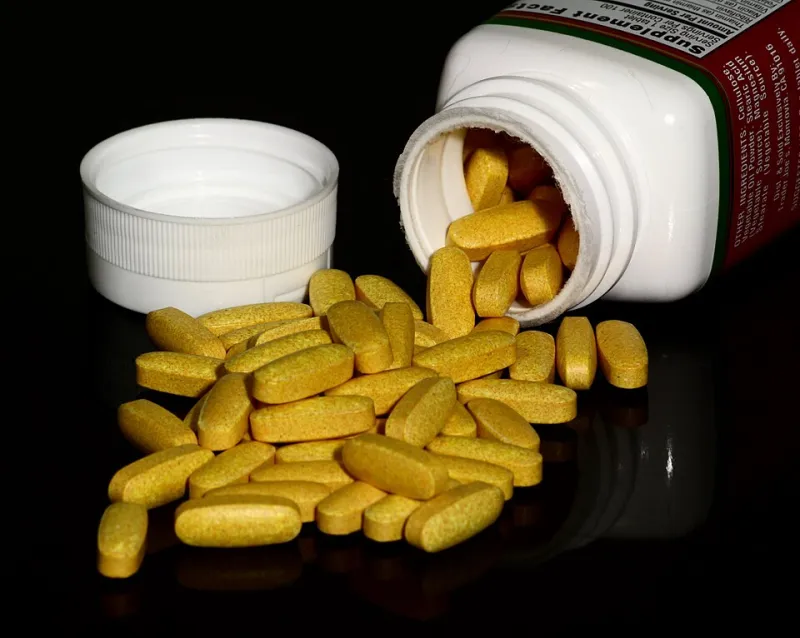
Photo: prescription drug coupons pharmacy counter medication costs, via i.ebayimg.com
The Promise at the Pharmacy Counter
The coupon arrives in the mail, appears in a television advertisement, or pops up on a pharmaceutical company's website: pay nothing — or nearly nothing — for your first month of a brand-name medication. For patients managing chronic conditions, the appeal is immediate and understandable. Prescription costs in the United States are among the highest in the developed world, and any apparent relief is difficult to decline.
But health economists, consumer advocacy groups, and insurance industry analysts have spent years documenting a troubling pattern: manufacturer coupons and patient assistance programs, while genuinely helpful in isolated circumstances, frequently serve the financial interests of pharmaceutical companies more than they serve the patients who use them. The mechanics of this system deserve careful examination — because the costs that disappear from your copay do not simply vanish. They are redistributed, often in ways that are difficult to trace and even harder to reverse.
How Copay Coupons Actually Work
When a drug manufacturer offers a copay assistance card, the arrangement functions as follows: your insurance plan is billed the full price of the brand-name drug — which may be several hundred dollars per month — while the manufacturer's coupon covers the portion your insurer requires you to pay out of pocket. From your perspective, the transaction feels like a bargain. From the insurer's perspective, it is a full-price sale.
This dynamic matters because your insurance premiums are calculated, in part, based on the total cost of claims the insurer processes on behalf of its enrollees. When brand-name drugs are consistently billed at full price — because coupons make them feel affordable to patients — the aggregate cost of prescription coverage rises. Those costs are eventually passed along to everyone in the risk pool through higher premiums, whether or not they ever used a manufacturer coupon themselves.
A 2016 analysis published in the Journal of the American Medical Association estimated that copay coupons cost the U.S. health system approximately $2.8 billion annually by steering patients toward expensive brand-name drugs. That figure has not diminished as coupon programs have proliferated in the years since.
The Generic Substitution Problem
One of the most consequential effects of manufacturer coupons is their ability to interrupt the natural transition from brand-name drugs to lower-cost generics. In a typical insurance structure, a patient with a $150-per-month brand-name prescription has a strong financial incentive to switch to the generic equivalent when it becomes available — often at a fraction of the cost. Manufacturer coupons disrupt this incentive entirely.
If a coupon makes a $150 brand-name drug feel like it costs $10, the patient has no immediate reason to request the generic. The pharmaceutical company, meanwhile, retains a paying customer — via the insurer — for as long as the coupon remains active. This strategy is particularly common during the final years of a brand-name drug's patent life, when manufacturers anticipate generic competition and deploy coupon programs specifically to delay patient migration to lower-cost alternatives.
Pharmacists and prescribing physicians may suggest a generic, but patients who have grown accustomed to the brand-name drug — and to the artificially low out-of-pocket cost — often resist the switch. The coupon has, in effect, created brand loyalty through financial engineering rather than clinical superiority.
When Coupons Expire: The Financial Cliff
Manufacturer coupon programs are not permanent. They are typically structured as introductory offers, annual enrollment programs, or promotional campaigns tied to a drug's marketing cycle. When they end — and they do end — patients who have organized their medication routines around a brand-name drug face an abrupt and often severe cost increase.
This transition is particularly difficult for patients with chronic conditions who have been using a brand-name medication for months or years. They may have established clinical stability on that specific formulation, making a sudden switch to a generic — or a different therapeutic class — medically complicated as well as logistically disruptive. The pharmaceutical company has, by this point, accomplished its primary objective: establishing a long-term customer relationship that is difficult to exit.
Patient Assistance Programs: A Separate but Related Concern
Distinct from copay coupons, manufacturer-sponsored patient assistance programs (PAPs) are designed for uninsured or underinsured patients who cannot afford their medications. These programs can provide genuine, meaningful relief for individuals who have no other access to affordable care, and they should not be dismissed categorically.
However, consumer advocates caution that PAPs are not a substitute for systemic affordability. They are administered by the companies that manufacture the drugs, they can be discontinued without notice, and they typically require patients to reapply annually and meet income thresholds that may not reflect the true financial strain of medical costs. Furthermore, participation in a PAP does not accumulate toward a patient's insurance deductible or out-of-pocket maximum, meaning patients who rely on these programs may find themselves without coverage protections when they need them most.
Strategies for Accessing Affordable Medications Without the Coupon Ecosystem
For Americans seeking to reduce prescription costs without entering a manufacturer-controlled assistance arrangement, several alternatives merit consideration.
Request a generic or therapeutic equivalent. Before accepting a brand-name prescription, ask your physician whether a generic or a clinically comparable alternative is available. In most cases, the answer is yes — and the cost difference can be substantial.
Use independent prescription discount programs. Services such as GoodRx, RxSaver, and NeedyMeds operate independently of pharmaceutical manufacturers and negotiate pricing directly with pharmacy chains. These programs are not insurance, but they can significantly reduce out-of-pocket costs for patients who pay cash prices.
Consult your pharmacist. Licensed pharmacists are among the most accessible and underutilized resources in the American healthcare system. They can identify lower-cost equivalents, explain formulary tiers, and flag whether a manufacturer coupon is likely to create long-term complications for your coverage.
Review your insurer's formulary annually. Insurance formularies — the lists of covered drugs and their associated cost tiers — change from year to year. A medication that was affordable under last year's plan may have shifted to a higher tier. Reviewing your formulary during open enrollment allows you to anticipate costs and make informed decisions before they become urgent.
Contact your state pharmaceutical assistance program. Many states maintain their own prescription assistance programs, particularly for seniors and individuals with low incomes. These programs are publicly funded and are not subject to the commercial interests that govern manufacturer coupons.
A More Informed Approach to Medication Costs
The American prescription drug market is structured in ways that frequently obscure the true cost of care. Manufacturer coupons are a sophisticated component of that structure — not a charitable gesture, but a marketing instrument designed to shape patient behavior in ways that benefit the companies deploying them.
This is not to say that every coupon, in every circumstance, is harmful. For patients who genuinely cannot afford a medication that has no adequate alternative, a manufacturer assistance program may be the most practical option available. But accepting these offers without understanding their downstream effects — on premiums, on generic access, and on long-term affordability — is a decision made without full information.
At CFH Info, we believe that every American deserves transparent, complete information about the financial dimensions of their healthcare. When it comes to prescription costs, that transparency begins with asking a simple question: who benefits when this medication feels free?