Insulin at $35: Who Actually Benefits From the Medicare Drug Price Cap — and Who Gets Left Behind
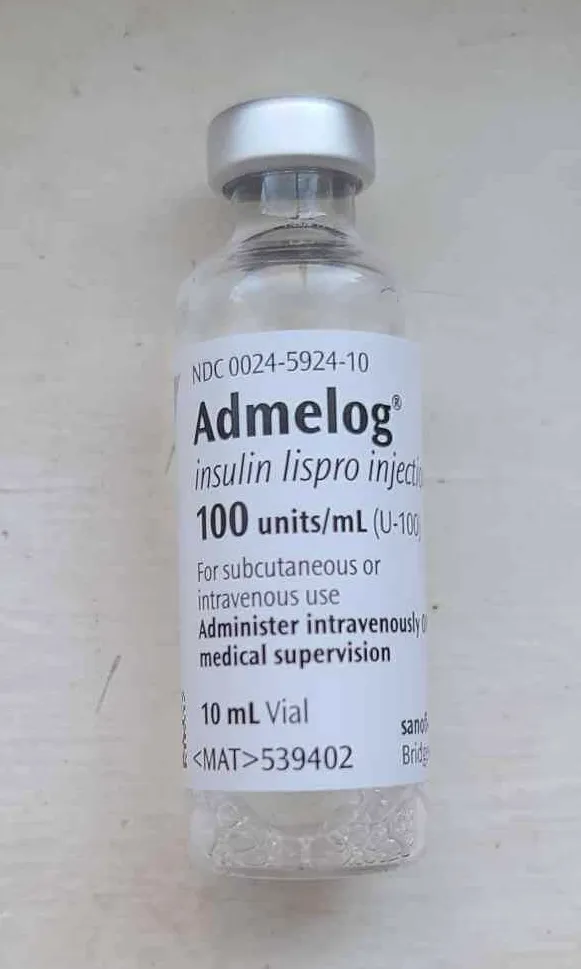
Photo: MallardTV, CC0, via Wikimedia Commons
When Congress passed the Inflation Reduction Act in 2022, one provision drew immediate and widespread attention: a $35 monthly cap on out-of-pocket costs for insulin covered under Medicare. For millions of Americans managing diabetes, the announcement felt like long-overdue relief. Insulin prices in the United States had risen dramatically over the preceding two decades — a single vial that cost roughly $21 in 1999 was selling for well over $300 by the early 2020s — leaving many patients rationing doses or abandoning treatment altogether.
But policy announcements and lived patient experience are rarely identical. Understanding what this cap actually means for your household requires looking beyond the headline number.
What the Law Actually Establishes
The Inflation Reduction Act created two distinct mechanisms for capping insulin costs within Medicare. Beginning January 1, 2023, Medicare Part D plans — the prescription drug benefit available to Medicare enrollees — were required to cap cost-sharing for covered insulin products at $35 per month per prescription. Separately, Medicare Part B, which covers certain insulins administered through durable medical equipment such as insulin pumps, also became subject to a $35 monthly cap.
This means that if you are enrolled in Medicare and your insulin is covered under your specific Part D plan's formulary, your out-of-pocket cost for that insulin cannot exceed $35 per month, regardless of what the drug's list price might be. The cap applies across all phases of the Part D benefit structure — including the coverage gap, historically known as the "donut hole," which had previously exposed patients to dramatically higher costs.
Which Insulins Are Covered?
Here is where the details become critical. The $35 cap applies only to insulin products that are included on your Medicare Part D plan's formulary — the official list of covered drugs. Not every insulin product is automatically included on every plan's formulary. Medicare plans have some discretion in which insulins they list, and the specific brand, concentration, or delivery format you use may or may not appear on your plan's covered drug list.
Common insulins — including rapid-acting products like insulin lispro and aspart, as well as long-acting options like insulin glargine — are widely covered. However, patients using newer or less common formulations should verify their specific product's status with their plan before assuming the cap applies.
The Centers for Medicare and Medicaid Services (CMS) maintains a formulary search tool on Medicare.gov that allows enrollees to check whether a specific drug is covered under their plan. Using this tool before your next refill is a practical first step.
How Insurers Handle the Savings — and Whether They Pass Them On
A common misconception is that the $35 cap reduces what the insurer pays for insulin — it does not. The cap limits only the patient's cost-sharing obligation. The underlying negotiated price between the plan and the pharmacy or drug manufacturer remains separate from the consumer-facing cap.
This distinction matters because it shapes how plans respond over time. Some critics of the policy have noted that if plans cannot offset higher drug costs through increased enrollee cost-sharing on insulin specifically, they may adjust premiums or restructure formularies for other drugs. Whether this dynamic has meaningfully materialized is an area of ongoing policy research, but it is worth monitoring your annual plan summary — called the Evidence of Coverage document — for changes each fall during Medicare Open Enrollment.
The Uninsured and Commercially Insured: A Critical Gap
Perhaps the most significant limitation of the $35 insulin cap is its scope: it applies exclusively to Medicare enrollees. Americans who purchase insurance through their employer, through the Affordable Care Act marketplace, or who lack insurance entirely are not covered by this federal cap.
For the commercially insured population, several major insulin manufacturers — including Eli Lilly, Novo Nordisk, and Sanofi — voluntarily reduced list prices and introduced their own $35 or lower caps for patients paying cash or using manufacturer programs. These voluntary measures are meaningful but not legally mandated, meaning they can be modified or discontinued at the companies' discretion.
For uninsured Americans, options include:
- Manufacturer patient assistance programs, which provide free or deeply discounted insulin to qualifying low-income individuals.
- Community health centers funded by the federal government, which offer sliding-scale pricing for medications.
- State-level programs, as several states — including California, Colorado, and Virginia — have enacted their own insulin cost caps that extend to state-regulated insurance plans.
- Retail pharmacy programs, such as Walmart's ReliOn brand insulin, which offers certain older insulin formulations at significantly reduced prices, though these may not be clinically equivalent to the products prescribed by your physician.
What Medicare Enrollees Should Do Right Now
If you are currently enrolled in Medicare Part D and use insulin, the following steps can help you confirm you are receiving the full benefit of the cap:
- Verify your insulin is on your plan's formulary. Log into Medicare.gov or call your plan directly.
- Review your Explanation of Benefits (EOB) statements. If you are being charged more than $35 per month for a covered insulin, contact your plan's member services immediately.
- File a complaint if overcharged. CMS has a formal complaint process available at Medicare.gov for enrollees who believe they have been incorrectly billed.
- Reassess during Open Enrollment. Each fall, from October 15 through December 7, Medicare enrollees can switch Part D plans. If your current plan's formulary does not cover your insulin, a different plan may offer better coverage.
The Broader Policy Picture
The $35 insulin cap is one component of a larger federal effort to address drug pricing through the Inflation Reduction Act, which also granted Medicare the authority to directly negotiate prices for a select number of high-cost drugs — a power it had previously been prohibited from exercising. The first ten drugs subject to negotiated Medicare pricing were announced in 2023, with negotiated prices scheduled to take effect in 2026.
These developments represent a meaningful shift in how the federal government engages with pharmaceutical pricing. However, the gap between Medicare enrollees and the broader insured and uninsured population remains a central challenge. Advocacy organizations continue to push for federal legislation that would extend similar protections to all Americans, not only those enrolled in the Medicare program.
For patients living with diabetes, the practical takeaway is this: the $35 cap is real, but it requires active verification to confirm it applies to your specific situation. Understanding your plan's formulary, monitoring your billing statements, and knowing the appeals and complaint processes available to you are essential tools for ensuring you receive the relief this policy was designed to provide.